
Leonard Cohen: The Unapologetic Life Of A Literary Icon
From angst-filled poet to the global voice of Hallelujah, discover the elusive man behind the secular hymns.

Leonard Cohen. A gravel voice singing about “a drunk midnight choir” says a lot about the man rather than the legend because that line takes listeners into a world of memories about partying all night. Equally, he could have simply forgotten to go to bed.
The Earnest Young Poet
Existential lyrics might survive time, but the character of the young creator very nearly ended up extinguished before he really began. Did you know that he started as a poet? And that’s important because poets don’t become music icons.
More often, they wring the sweat from their brows wrestling for words while quietly going hungry. They publish first books like “Let Us Compare Mythologies,” and then vanish.
Hydra Featured Large
Leonard Cohen lived for a while on Hydra where he wrote “Beautiful Losers.” Was it sheer brilliance or a messy collection of thoughts? Well, that depends on who you speak to. Or more accurately, when you page through it
Because, so often his meaning is elusive. And people don’t always like elusiveness. It gets tiring. But taking that into music might be the best thing he ever did.
The Misfit Musician
At first, he didn’t fit the demands of the day. Too old, too literary, too neatly from Montreal. When he sang “Suzanne,” he sounded more like someone describing a dream he didn’t quite understand.
When Judy Collins recorded it, people listened. But outside of a neat niche wasn’t always a good fit. No one knew what to do with him yet, including himself.
‘Hallelujah’ Failed Initally
In 1984, the favorite talent show go-to choice “Hallelujah” arrived buried in an album called “Various Positions.” From the position of Columbia Records, clearly it didn’t land where it should have. Why? Well, that became rather obvious when he opened the post. They wanted singles, not sixty verses.
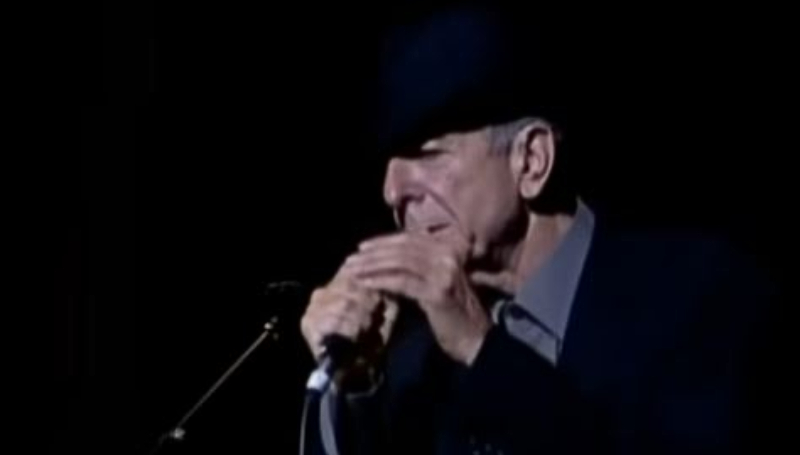
So, he cut it to four verses. However, Leonard’s song felt too long for radio. Pragmatically, anything longer than three minutes meant fewer adverts.
If you ever danced at a wedding, it might astonish you to think that essentially “Hallelujah” died for a decade. Quietly mouldering away like a sort of prehistoric “So Long, Marianne.”
Finally, Jeff Buckley sang it and now you hear it at funerals, in election commercials, and at supermarket checkouts. Reportedly, Cohen didn’t get rich off it. Notably though, financial records are complicated.
If he didn’t make much off it, perhaps it hurt, but maybe it also didn’t matter. Not that those emotions are too far apart in a Cohenesque world.
His Later Years
Interestingly, as he got older, Leonard Cohen’s voice moved from basement bar to wooden floor tenements. Inspired by that, he sang “Everybody Knows.”
If there was an award named “The Most Depressing Party Song Ever Written,” he deserved the adulation. Perhaps the man who so often wore suits that made him look like that odd uncle who read Kafka, felt mildly surprised.
The Zen Period
The aging poet went to a Zen monastery. Stayed five years and got ordained. There, his Buddhist name meant “Silence.” But he didn’t stay silent because practical things got in the way. Like a manager who stole $5 million.
For five glorious years, an expanding audience enjoyed 250 live shows, lapping him up: his fedora doffing and shambling, hovering performance.
Those who might drown the sunset with wine and “You who build these altars to sacrifice these children, You must not do it anymore,” might ponder a tragic-comedy. But Leonard Cohen always kept folks guessing.
His last album dropped three weeks before he died. “You Want It Darker,” recorded in his home, came at a time when he suffered debilitating injuries. Fittingly, the title track revealed him asking God to do the heavy lifting.
It wasn’t a prayer, or even a complaint. Somehow, it sat between the two closely aligned emotional states. And that’s exactly where Leonard had lived his entire life.
The Passing Of Leonard
In 2016, Leonard Cohen passed away and many an affectionate tear rolled down lonely faces. People mourned the Orthodox Jew, and the Buddhist monk. But mostly, they mourned the poet who wrote “I ache in the places where I used to play.” A wry sort of joke that wasn’t funny anymore.
To this day, his fame never slotted into a music industry full of heroes and failures. Cohen delivered neither. Instead, he went on his way and left behind lingering secular hymns. Not dark. Just unapologetically human.
What are your thoughts? Let us know in the comments below, and remember to come back here for all your interesting history stories.
