
Night Witches: German Soldiers Feared Them – Why?
Flying obsolete wooden biplanes, the Soviet Union's all-female Night Witches became one of World War II's most feared air units.
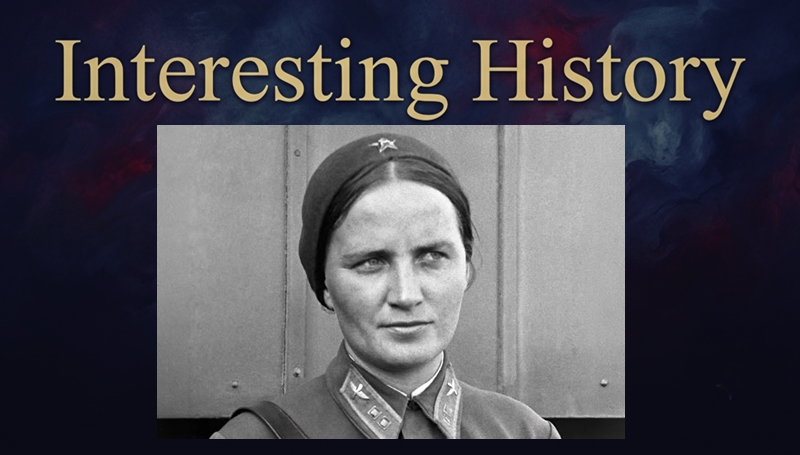
The German military encountered many terrifying weapons on the Eastern Front, yet few enemy units earned the legendary reputation of the Soviet “Night Witches.”
Flying obsolete aircraft and attacking under cover of darkness, these women created a level of psychological fear that far exceeded the destructive power of their planes. That’s why they feature in our interesting history series.
German soldiers often reported hearing a faint whooshing sound cutting through the darkness. To some, it resembled the sweep of a witch’s broom crossing the night sky.
Then the bombs fell. By the time anyone reacted, the planes had vanished. Destruction remained. So did the question. Who are they? How do they keep doing this?
The Sound of Fear
The German military relied on heavy steel and loud engines. The Soviets used wood and canvas. But the women of the 588th Night Bomber Aviation Regiment flew the Polikarpov Po-2.
Originally designed during the 1920s as a training and agricultural aircraft, the Polikarpov Po-2 was hardly considered a serious weapon of war. The National WWII Museum has described it as “slow and completely unprotected.”
Each aircraft only held two bombs. To make a real impact, crews flew mission after mission.
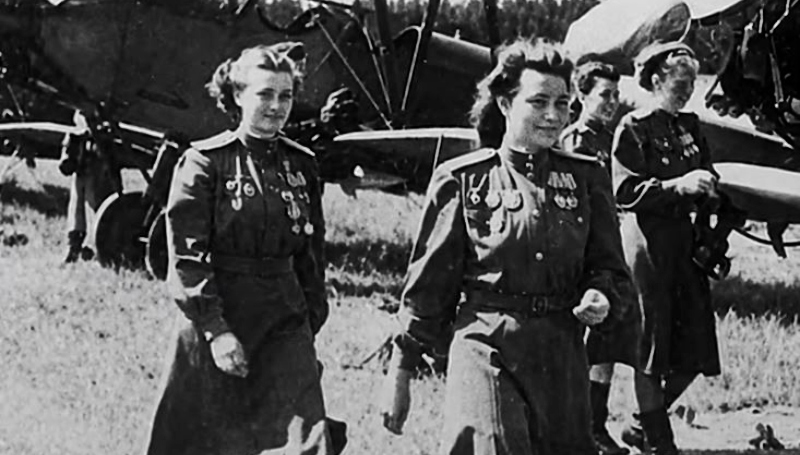
They had a survival tactic. They would glide. As they neared German lines, they cut the engines. They drifted in total silence. No warning came. Troops only heard the weird whoosh at the last second.
Then the bombs rained down.
The Myth of the Supernatural
German troops struggled to explain how such slow and vulnerable aircraft repeatedly slipped through their defenses. Before long, rumors and myths began to circulate. So they made up stories.
The nickname “Night Witches” emerged. According to the History Channel, the gliding noise “reminded German soldiers of a witch’s broomstick.”
It wasn’t just an insult. It revealed how deeply the Night Witches had gotten inside German soldiers’ heads.
Radar didn’t help. The wooden frames barely registered. The planes seemed like ghosts. Then the Germans learned the pilots were women.
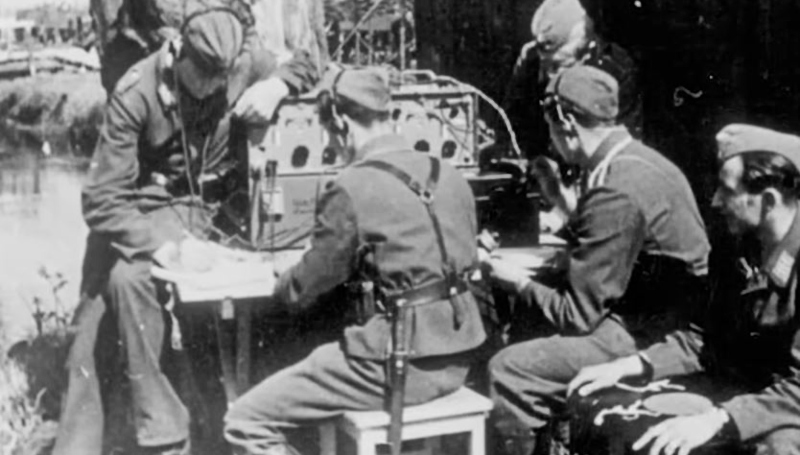
German ideology at the time, said women shouldn’t fight. Rumors spread.
People whispered that the Soviets gave the women injections for cat-like night vision.
The Torture of Sleep Deprivation
The 588th didn’t just destroy buildings. They destroyed sanity. Each plane carried a light payload. The crews compensated by flying all night.
One crew often flew eight or more missions in twelve hours. Per The History Channel, some pilots flew “as many as 18 in a single night.”
The psychological effect was devastating. Throughout the night, German troops faced repeated bombing runs, interrupted sleep, and the constant expectation that another attack was only minutes away.
The EBSCO research starter confirms the regiment used “harassment bombing.” They wore the enemy down until morale collapsed.
The Humiliation of Defeat
The Luftwaffe found the Night Witches particularly frustrating. Germany possessed some of the world’s most advanced fighter aircraft, yet these slow wooden biplanes continued to survive and complete their missions.
Yet a bunch of wooden biplanes kept surviving, and the Po-2’s speed was a bizarre defense.
It flew slower than a Messerschmitt’s stall speed. If a German pilot slowed enough to take a shot, his own plane would drop from the sky.
The Soviet pilots also flew low. They hid behind trees and hills.
According to several historical accounts cited by Weird History, German pilots were reportedly promised an Iron Cross for shooting down a Night Witch aircraft. Whether entirely official or partly legendary, the story reflects the frustration these Soviet pilots inspired.
A high reward for a difficult task. It was an admission of defeat.
The Legacy of Silence
Marina Raskova started it all. The National WWII Museum describes her as the “Soviet Amelia Earhart.”
She convinced Stalin in 1941 to let women form combat units. The 588th became the best-known of the all-female Soviet combat units.
The Night Witches demonstrated that psychological warfare could sometimes be as effective as overwhelming firepower. They left behind damaged runways, destroyed equipment, and a lasting legacy of fear that survived long after the war itself ended.
The Night Witches might have left soldiers with a lot of nightmares. But Historians continue to debate how much of the Night Witches’ legendary reputation came from military effectiveness and how much emerged from wartime fear and folklore.
Join the discussion and come back here often for all your interesting history news and updates.
