
The Strange Life of Gangster Edward ‘Monk’ Eastman
Feared New York gang leader Edward "Monk" Eastman later became a decorated World War I soldier before meeting a violent end.
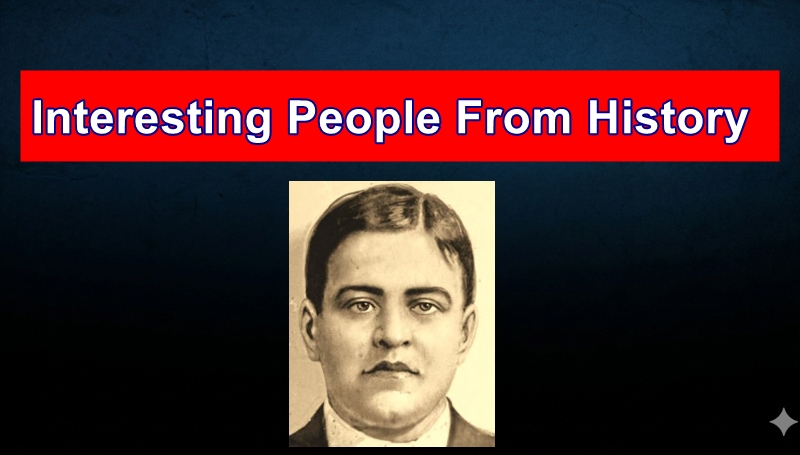
This week’s interesting person from history is Edward ‘Monk’ Eastman, who wasn’t your typical New York gangster. He could be a very vicious man, and yet he cared deeply for street cats and pigeons. Read on to find out more about the colorful character.
Raised By His Grandpa
Edward ‘Monk’ Eastman was born around 1875, and some sources say his birth name was Edward Osterman. His father was a Civil War veteran who left the family. His grandfather, George Parks, ended up raising him on the Upper East Side.
Parks helped the young man start a pet shop on Broome Street, and it was a real business, but it also served as a front for criminal activities. Monk listed his job as “bird seller” on official paperwork, and he genuinely loved his animals.
Back in the day, people often encountered him walking through the city with a pigeon on his shoulder or a cat under his arm. Around this time, he started a bicycle club called the Squab Wheelmen. According to historical write-ups on Academic Dictionaries and Encyclopedias, his group used bicycle rentals to run a racket on the side.
Ruler of the Lower East Side
Soon, Monk turned his attention to the Lower East Side. He built one of the most feared street crews in Manhattan. The Eastman Gang ran gambling joints, brothels, and protection rings. They dressed up like fancy dandies in top hats, even while beating people up, and historians note that they worked closely with Tammany Hall, the local political machine.
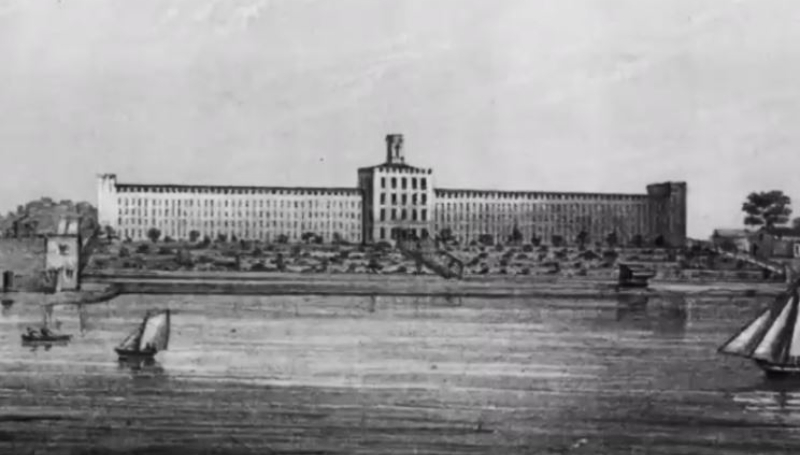
Monk’s crew acted as “sluggers,” beating up voters and stuffing ballot boxes to keep politicians in power. In return, the police looked the other way even when they fought a long war against the Five Points Gang, led by Paul Kelly. Dozens of men traded gunshots in broad daylight during these street battles.
As noted by Alchetron, Monk was often described as “the last of the old-school street thugs” before organized crime became more like a corporate business. He liked to handle fights personally. That hands-on style eventually caught up with him.
Prison and Downfall
In 1904, cops caught Monk mugging a man on the street, and as a result, a judge sent him to Sing Sing prison for ten years, but he didn’t actually serve his full sentence. Without him, his empire broke apart. Rivals shot his acting boss, Max Zwerbach, and took over his territory. When Monk got out in 1909, his empire was completely gone.
His life continued to spiral downwards and later it involved an opium addiction, and the police arrested him again for drug possession in 1912, and later for burglary in 1915. He served another stretch of time at Dannemora prison.
A Surprising War Hero
In 1917, the United States entered World War I when Monk was 42 years old, but he enlisted anyway. When army doctors checked his body, they found it covered in knife scars and bullet holes, and according to an account published on WorldWar1.com, when asked how he got those marks, Monk casually answered that he got them in “a lot of little wars around New York.”
He shipped out to France with the 27th Infantry Division. Out on the Western Front, he fought bravely, and served with distinction with accounts crediting him with repeatedly rescuing wounded comrades under fire.
His brave service earned him a full pardon from New York Governor Al Smith in 1919. His citizenship rights were restored, and Monk marched down the street in victory parades as a celebrated war hero.
The End of the Line
Sadly, the story didn’t have a happy ending. On December 26, 1920, somebody shot Edward ‘Monk’ Eastman dead in an alley near Union Square. The shooter was Jerry Bohan, a corrupt Prohibition agent who had been drinking with Monk. At the time, they got into an argument about money.
As detailed by City of 72 Names, over 4,000 people attended the funeral of Edward ‘Monk’ Eastman. Veterans from the 27th Division gave him full military honors, which seemed like a surreal send-off given his start in life as a gang leader. The crowd chose to remember the soldier who fought in the trenches rather than the thug who once ruled the streets with a pigeon on his shoulder.
Your thoughts? Join the discussion and come back here often for all our news about interesting people in history.
