
Viking Was a Job, Not An Ethnicity: DNA Rewrites History
New genetic research suggests the Viking world was far more diverse than popular culture has led us to believe, challenging centuries of assumptions about identity, ancestry, and belonging.
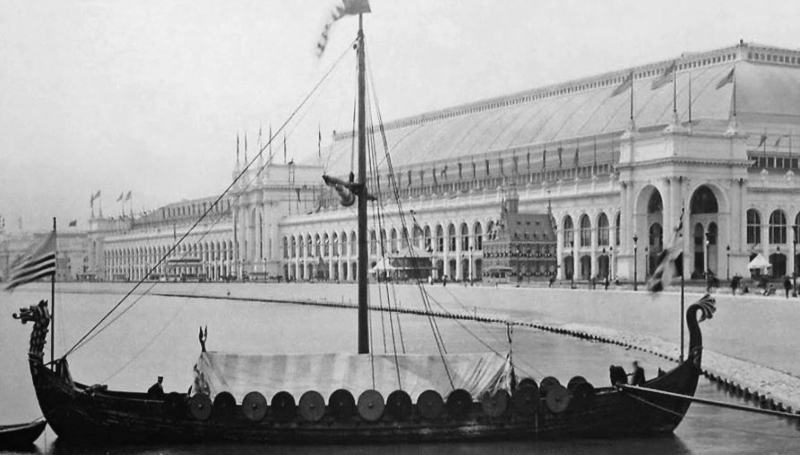
Forget the horned helmets. Forget the blond warriors. The word “Viking” wasn’t really about who you were. According to many historians, it described what you did.
It referred to someone who went raiding or trading by sea. It wasn’t a distinct ethnic group at all.
Read on to find out why we chose it for our intriguing history series.
The Warriors We Imagined
Picture a Viking in your head right now.
You’re probably imagining a tall Norse warrior with ice-blue eyes and flowing blond hair stepping off a longship to raid a defenseless coast. That image has been burned into our collective imagination by Hollywood movies, television dramas, and nineteenth-century romantic paintings.
It’s also largely a myth.
Four years ago, the University of Cambridge shared the findings of a six-year research project published in the journal Nature. “The study was led by Professor Eske Willerslev, director of the Lundbeck Foundation GeoGenetics Centre.”
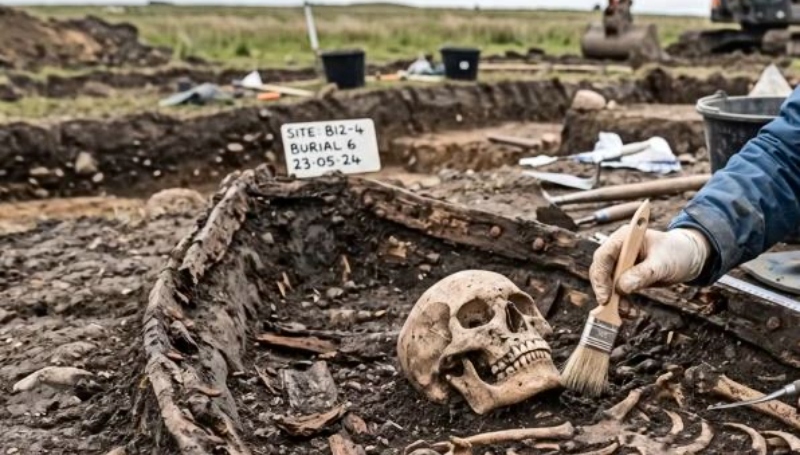
It did what a century of archaeology never could. The researchers breached the limestone walls of graves.
They read the genomes of the dead, sequencing DNA from 442 skeletons buried across Europe between 750 and 1050 AD. The results rewrote the history of the North.
The Viking world was not a closed club. It wasn’t ethnically pure. It wasn’t just golden-haired warriors. It was messy. Diverse. Highly connected. Surprisingly open at the edges.
Screen Test A Viking Would Fail
That golden-haired warrior from the movies was, at best, one face in a very varied crowd.
Foreign DNA flowed into Scandinavia long before the first longship raised a sail. The genetic mapping showed large influxes. Ancestry came from Southern Europe. From Eastern Europe. From Western Asia.
The hair color myth is even more surprising. The researchers analyzed genetic markers linked to physical traits.
They discovered that dark hair was actually more common among Viking Age Scandinavians than it is among the population of Denmark today.
That pristine, uniform look created by costume departments? That’s modern fiction.
A Job Description, Not A Birthright
The biggest revelation concerns the word “Viking” itself. We have long treated it as an ethnicity. A race. The evidence suggests otherwise.
It was a job description. A trade. A lifestyle. Something you did. Anyone bold enough could choose it.
Consider the discovery on the Orkney Islands, off the northern coast of Scotland. Archaeologists excavated a classic high-status warrior burial.
The man had been laid to rest with a Norse shield and a fine iron sword. He was honored in death exactly like a Viking chieftain.
Then researchers read his nuclear genome.
A documentary by DNA Unearthed highlighted one of the study’s most startling findings. Archaeologists had excavated what appeared to be a classic high-status Viking warrior burial in the Orkney Islands.
Then they read the nuclear genome.
The individual possessed no detectable recent Scandinavian ancestry. Genetically, he was a local Briton, most likely from Scotland or Ireland.
Think about that. In an era we imagine as rigidly tribal, this local outsider stepped into the Viking world.
He mastered the lifestyle. He sailed the ships. He lived so authentically that when he died, the community buried him as one of their own. He was a Viking made, not born.
The Messy Truth Of Human History
Why do we cling to that image? The pure conqueror. The golden-haired warrior. A simple story.
We prefer our history tidy. We want our ancestors to fit into neat boxes. One people. One story. One clean, unbroken line running straight back into the past.
But history isn’t tidy. The genomes of the Viking Age refuse to cooperate with our neat narratives. The longships did not carry a single, uniform people across the stormy waters. They carried people. All kinds of people.
The true story of the Vikings isn’t found in the pristine imagery of a Hollywood screen. It’s found in the DNA of a Scottish farmer holding a Norse blade.
It’s found in the mixed ancestry of a traveler buried far from home. By stripping away the movie myth, science hasn’t made the Vikings less interesting. It made them more human.
Your thoughts? Let us know in the comments below, and come back here for all our interesting history stories.
